The State of Education and the Judicial System: July 19, 2025
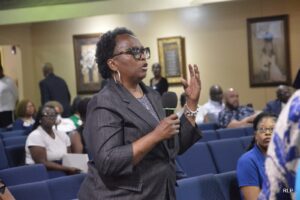
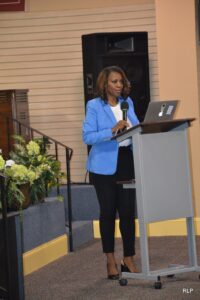
Post-Town Hall: Questions & Answers
Why do we not have a permanent superintendent in place? N/A
Why hasn’t a superintendent not been named? N/A
There are many waiver teachers and first year teachers. Not all are prepared to teach in our community, a majority black county. What can be done to prepare them to teach in our system and be culturally sound?
Many of our waiver and first-year teachers are African American, and each summer, those new to Richmond County participate in a three-day New Educator Orientation.
This experience is designed to help them begin their journey toward making a meaningful impact in the classroom. While the orientation focuses on instructional expectations, it also connects teachers to the resources and relationships they need to succeed. Beyond orientation, each new teacher receives ongoing support from a Teacher Quality Specialist through coaching cycles, as well as guidance from their school-based leadership team.
As we look ahead, we are committed to strengthening these efforts to ensure all teachers are prepared to serve our students with cultural awareness and respect.
This Includes
·Exploring ways to embed culturally responsive teaching practices into new teacher programming, as long as it aligns with current district guidelines·
- Creating opportunities for new teachers to build community across schools, allowing them to learn from and support one another in educator-led spaces
- Continuing to provide professional learning that reflects the cultural richness of our county and the lived experiences of our students
Will funds be allocated to have retired teachers to help tutor the children who are not on grade level?
Funding has been allocated to support the use of retired teachers to help students achieve academic success. This has included employing retired teachers in short- and long-term substitute roles, part-time teaching assignments (49-1/2% arrangements), and other classroom support initiatives focused on teacher quality and filling vacant positions. Retirees also help support new and induction teachers by being paired with less experienced educators, at the building leader’s discretion. Building leaders could use funding to help tutor children as a part of their annual school improvement plan.
To combat absenteeism, has Richmond County School System thought about partnering with other manufacturing companies or companies to mock the RPM program?
Absenteeism is a complex issue influenced by various personal and systemic factors and has effects in grades K through 12. The Richmond County School System’s RPM program is designed to support high school students facing significant life challenges—many of whom are under-credited—by offering a structured pathway to complete their education while gaining hands-on job experience. Expanding this model through partnerships with additional manufacturing and industry partners could further enhance its impact. The district is actively seeking partnerships that will positively impact our students to ensure that they reach their greatest potential.
Is PTSOs currently a functioning organization in Richmond County? Could this be an example of collaborating, community, and unity?
PTAs/PTOs serve as a cooperative group of parents, teachers, and sometimes students (PTSAs/PTSOs) working together to support and improve the school environment. They focus on fostering communication, fundraising, volunteer efforts, and organizing events that benefit the student body and school. Parent-Teacher organizations promote a strong sense of community by bringing families, educators, and students together to share perspectives and resources. This collaboration helps address student needs more holistically and encourages parental involvement in education. Including students as members, PTSOs empowers youth to take active roles in their education and school culture, enhancing leadership development, responsibility, and community service. Common PTA/PTO activities may include organizing family engagement nights, academic support programs, school beautification projects, advocacy for school issues, and supporting extracurricular activities. In Richmond County, 37 schools have organized PTAs or PTOs. PTAs/PTOs contribute to the broader theme of school-community partnerships by encouraging cooperative efforts that directly impact student success and well-being, exemplifying unity among stakeholders. For the most recent information on PTAs/PTOs parents and community members can contact their child’s school or the school they’d like to support.
7. What community initiatives and partners do we have that can engage our students in safe activities outside of schools?
The Richmond County School System collaborates with various community initiatives and partners to offer students safe, engaging activities outside of traditional school hours. Key initiatives and partners include:
Communities In Schools of Augusta/Richmond County (CISARC): Works with partner organizations such as Christ Community Health Services, Center for New Beginnings, Safe Homes, and AmeriCorps to provide wraparound services, addressing non-academic barriers like social and emotional needs to support student success and well-being. Junior Achievement Discovery Center: In partnership with Junior Achievement (JA) of Georgia, this center brings programs such as JA Biz Town and JA Finance Park to local middle school students, offering hands-on experiences in economics, financial literacy, and career preparedness—providing safe, simulated “”real-world”” activities outside the classroom. Augusta University’s College of Education: Partners with local schools for tutoring, mentoring, and enrichment activities. Their programs include undergraduate and graduate courses taught on-site at Richmond County schools and free literacy tutoring for the community.
Augusta Partnership for Children: Implements outreach programs, case management, and developmental activities that promote family support and safe environments for youth.
These partnerships offer Richmond County students avenues for mentorship, life skills development, academic support, health services, and positive, supervised activities beyond the school setting.
Richmond County Recreation and Parks – Loud Crowd: The Loud Crowd program provides a safe, supervised afterschool environment with sports, playground games, homework help, and other engaging activities at community centers across the county.
Boys & Girls Club: Offers a variety of afterschool programs focused on academic support, life skills, sports, and healthy lifestyles. The Boys & Girls Club provides a safe space and positive mentorship for youth.
The Family YMCA of Greater Augusta: Runs youth development programs including after-school care, summer camps, swimming, sports, and leadership training, all structured around safety, character-building, and healthy activities.
Jessye Norman School of the Arts: Offers free, high-quality after-school and summer arts programming, including dance, drama, visual and digital arts, music, and creative writing, primarily for disadvantaged middle and high school students. The school also incorporates academic tutoring and advanced study opportunities.
Augusta Mini Theatre is a longstanding community arts institution providing after-school and summer programs in theater arts, dance, music, and visual arts. The Mini Theatre emphasizes youth development, mentoring, and public performance, helping students build confidence, creativity, and communication skills in a supervised setting.
These resources, together with other public and non-profit partners, ensure that Richmond County students have numerous opportunities to participate in supervised, enriching activities outside school hours, supporting both their academic and personal development. For more extensive list of community resources available in Augusta-Richmond County please visit Resourced Augusta available on Facebook and Instagram.
What organizations, entities, partnerships exist that are fashioned after RPM, students-to-work partnerships, etc. with retired teachers?
The RPM program is a flagship initiative made possible through a robust partnership with Textron Specialized Vehicles. Textron contributes significant financial resources and dedicated time to support Richmond County students. This investment enables students to gain valuable work-based learning experiences while completing their high school education. At present, there are no other partnerships within the district that match the scale or impact of RPM for high school students. However, the district is actively open to exploring similar collaborations with other organizations, including those involving retired educators, to expand opportunities that benefit students, families, and the broader school community.
9. Does the school board and the city communicate about the growth in South Augusta; housing development and apartments being built and the impact on classroom sizes?
Ed Lowery, Vice Chair of the Richmond County School System Board and District 6 Board Member, is the board liaison for the monthly Augusta–Richmond County Planning Commission meetings. The Planning Commission holds its regular meetings at 3:00 p.m. on the first Monday of each month in Room 803 of the Municipal Building, located at 535 Telfair Street. During these meetings, all newly proposed and approved construction plans are presented. Updates on new plans and zoning changes are later reported at the RCSS monthly board meetings.
10. Where are we at with the school mergers? Will it still happen?
We are starting the process of creating high school task force teams. These teams are made of alumni, current parents, staff and business/community partners from each school. This will allow our school system to begin the process of getting community input that will impact programming. This team will meet with our HPM Facilities Assessment Team in mid-September. We plan to begin community meetings in the month of October to gain input from potential schools that may be impacted.
11. How can I / others mentor?
Mentoring represents the highest level of volunteer support within the Richmond County School System.
Level 3 Volunteers, who provide this highest level of support, are non-district personnel granted direct, unsupervised interaction with students. To become a Level 3 Volunteer, you must complete fingerprinting with School Security authorized personnel at 864 Broad Street, Augusta, Georgia. The fingerprinting fee is $39.25, payable by debit or credit card, money order, or cashier’s check. A GBI/FBI criminal background check and completion of Mandated Reporter online training are also required. All steps must be completed before you can begin volunteering.
The building Principal has the discretion to approve volunteer assignments and may require additional screening, including personal interviews and reference checks. Final approval for Level 3 Volunteers is provided by both RCSS authorized personnel and the school Principal prior to participation in any activities involving direct, unsupervised student interaction.
The Richmond County School System also offers additional volunteer opportunities at other levels, allowing you to support our schools in a variety of ways. For more information, please visit the RCSS Volunteer page, where you will find the Guidelines for Visitors and Volunteers.